Hainaut is the most populous province in Wallonia, and its industrial past still shapes the homes we clear there.
Around Charleroi, La Louvière, Binche and in the Borinage, streets of terraced workers' houses and former mining estates dominate: deep houses with a cellar, attic, yard and sometimes a workshop, often lived in by several generations and filled up over the decades. Charleroi, the largest city in Wallonia with more than 200,000 residents and 15 sections, adds the flats of the Ville-Basse and Ville-Haute and larger houses to the south and north. Mons, the provincial capital, has old townhouses around the Belfry, while Wallonie picarde looks quite different: mansions and farms across the 20 sections of Tournai, long rows of textile-era brick houses in Mouscron on the French border, and courtyard farms and small farmhouses around Ath. Three intercommunales run residents' recyparcs: Tibi in the Charleroi area, Châtelet and Fleurus; Hygea in Mons-Borinage and the Centre region, from La Louvière to Soignies and Braine-le-Comte; and Ipalle in Wallonie picarde, covering Tournai, Mouscron and Ath. These recyparcs are reserved for households: on a clearance, Sparkling Services does not use them, but first donates reusable items to social-economy organisations and hands the rest to licensed processing channels. The official language is French, with language facilities for Dutch speakers in Mouscron; we work in French, Dutch and English. For each job, we apply to the town for a temporary road-occupation permit and hand the property back empty and swept.
- Three intercommunales run the recyparcs: Tibi (Charleroi), Hygea (Mons-Borinage and Centre) and Ipalle (Wallonie picarde).
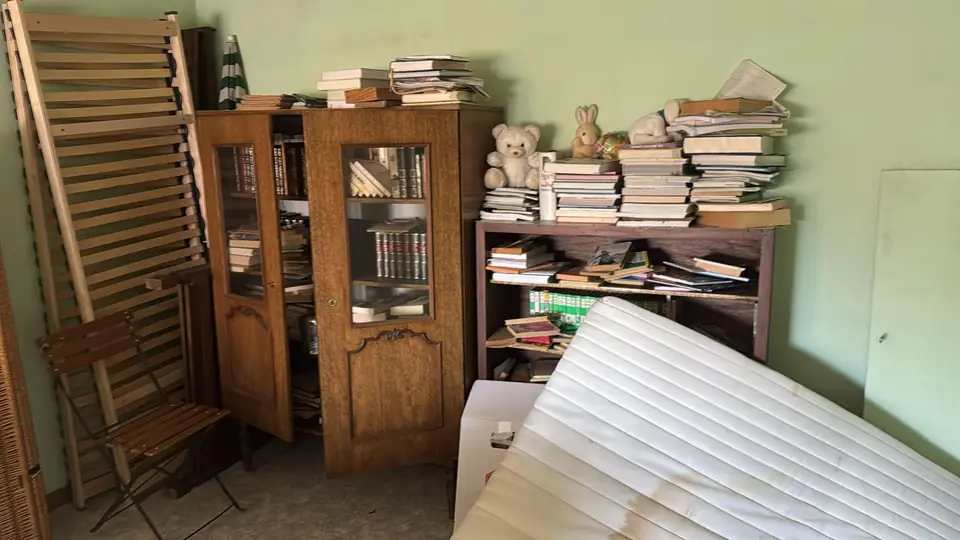
- Workers' houses and mining-estate homes often have a cellar, attic and workshop filled over several generations.
- Tournai has 20 sections and Mons 19: many clearances take place in villages, well away from the centre.
- Parking the truck requires a temporary road-occupation permit, requested from the town.