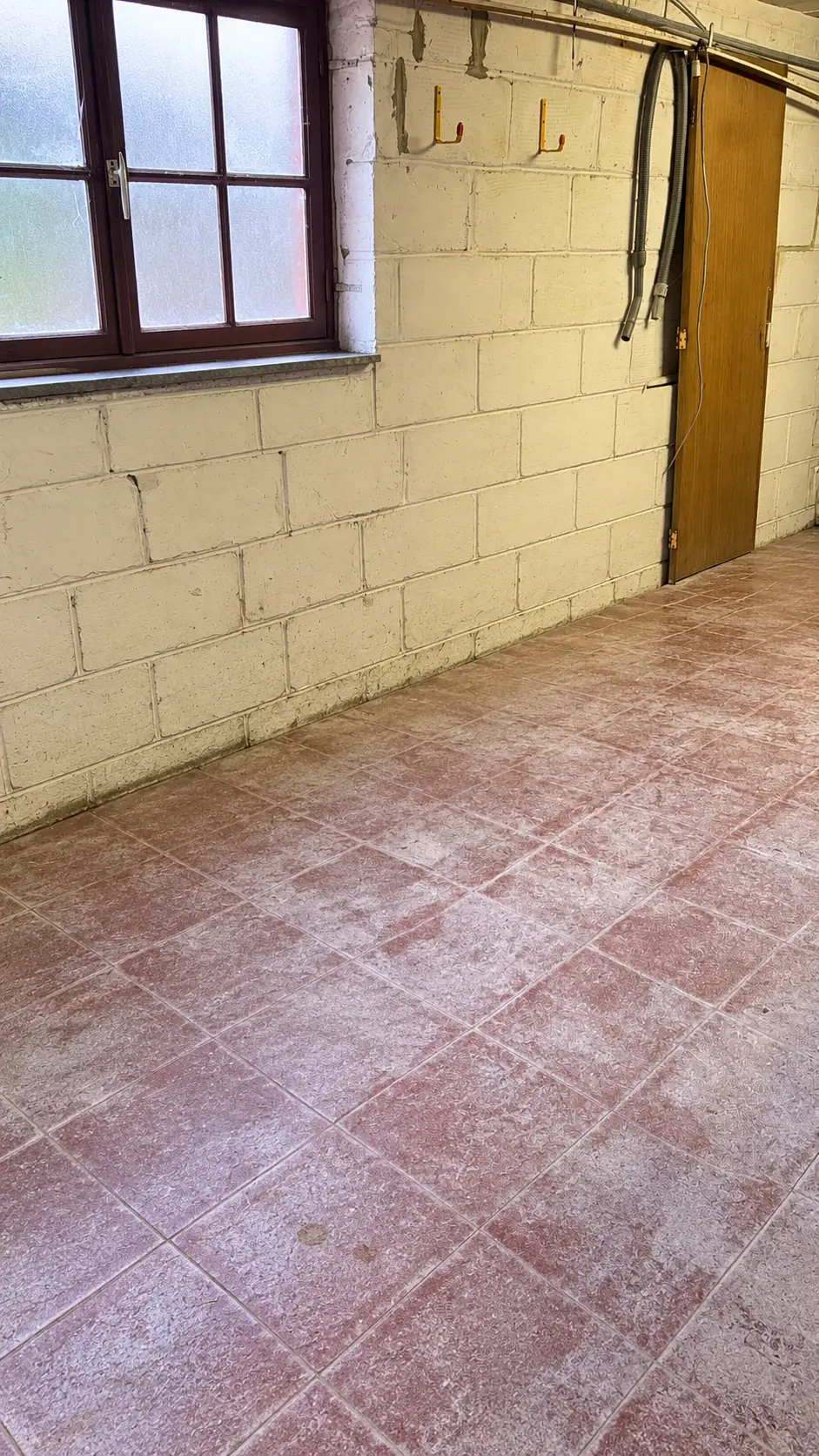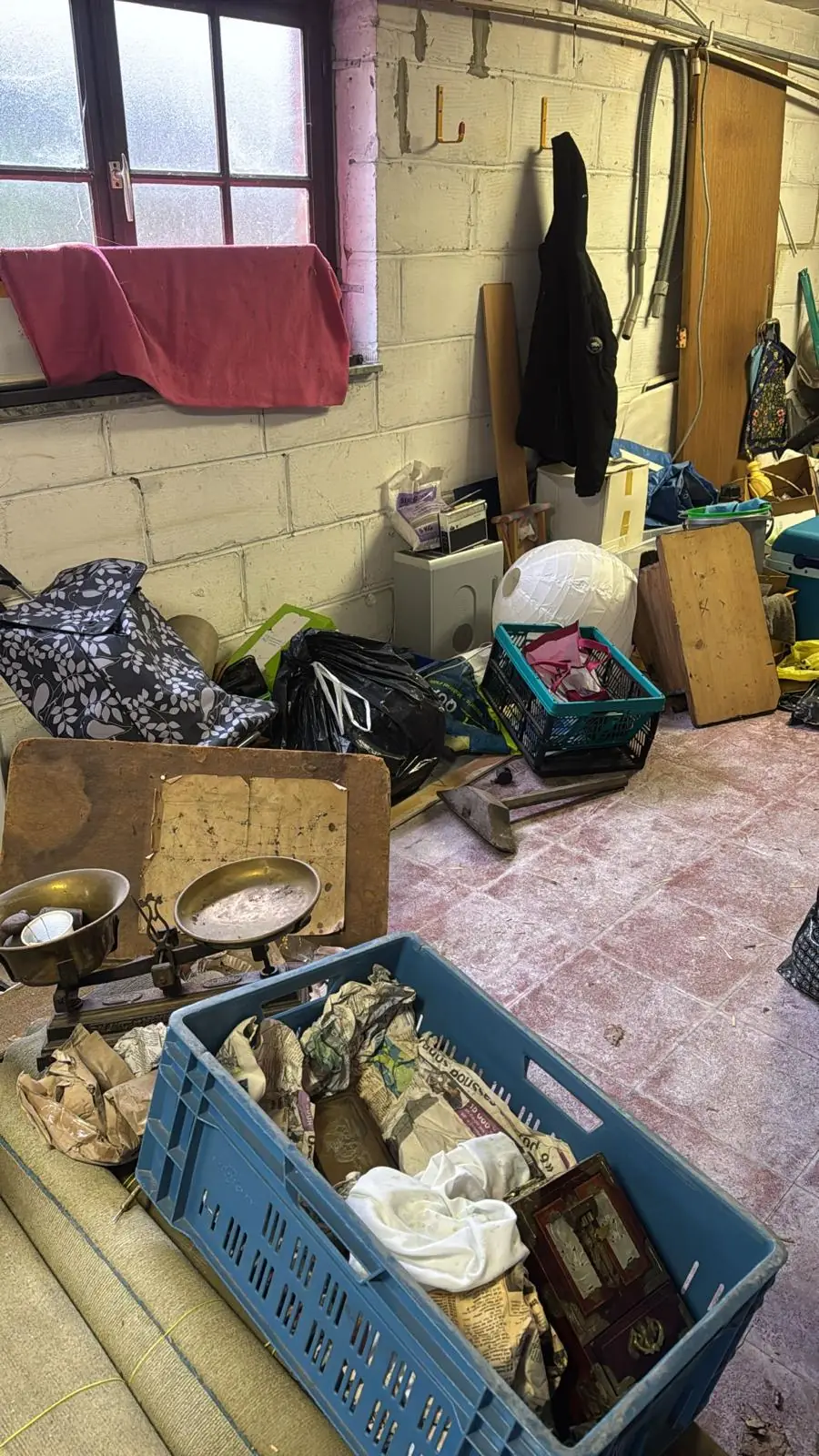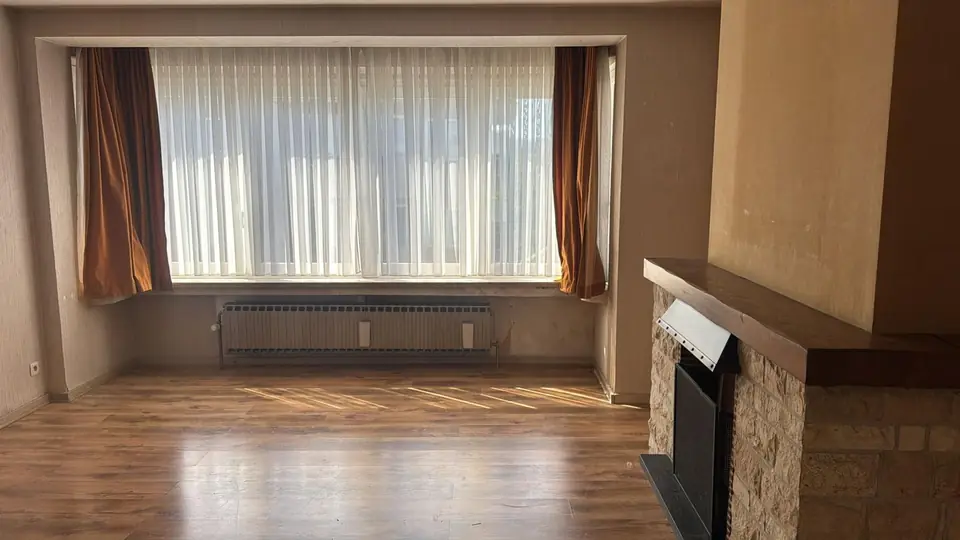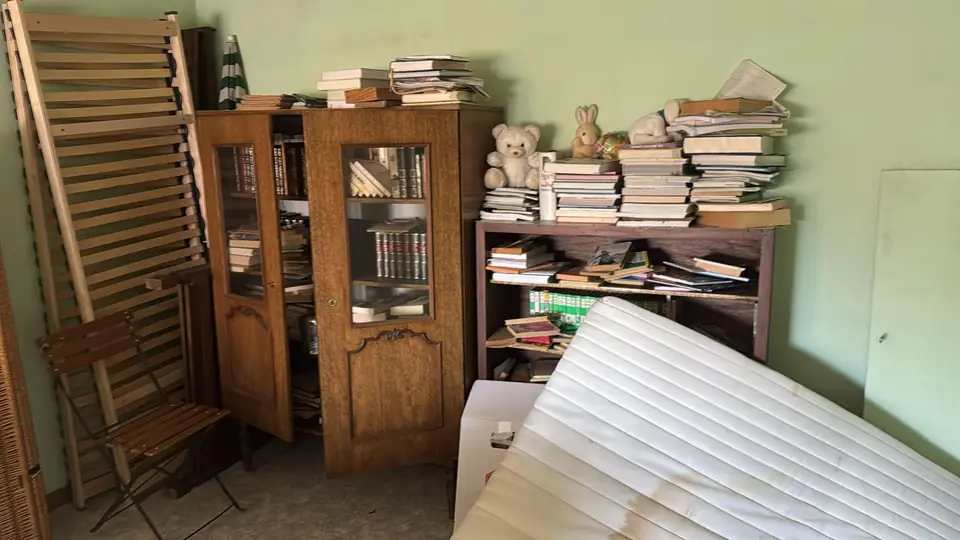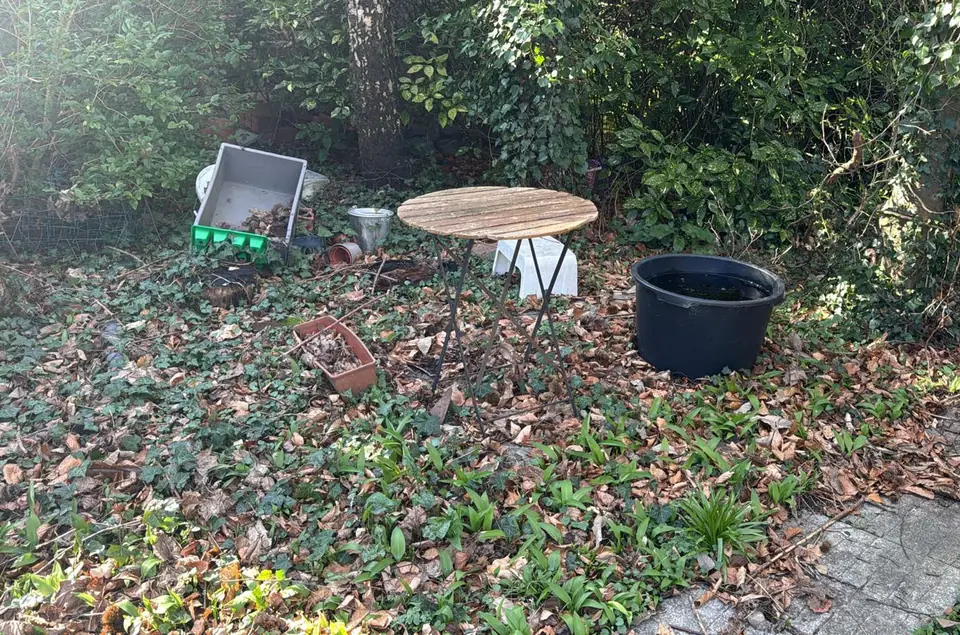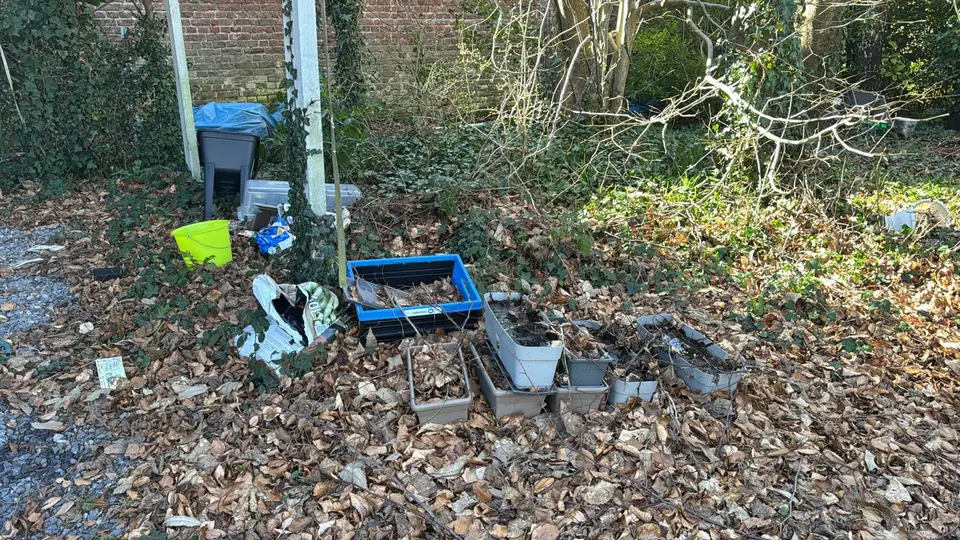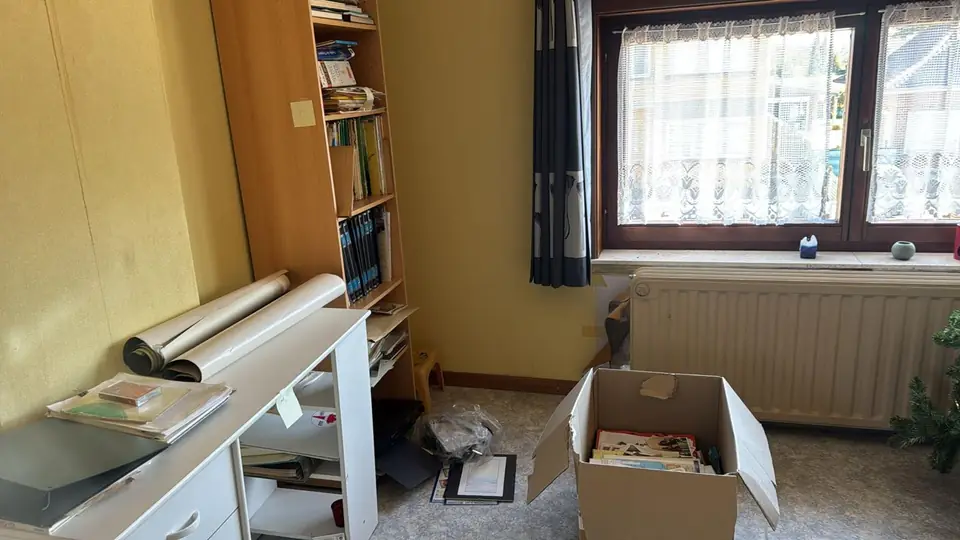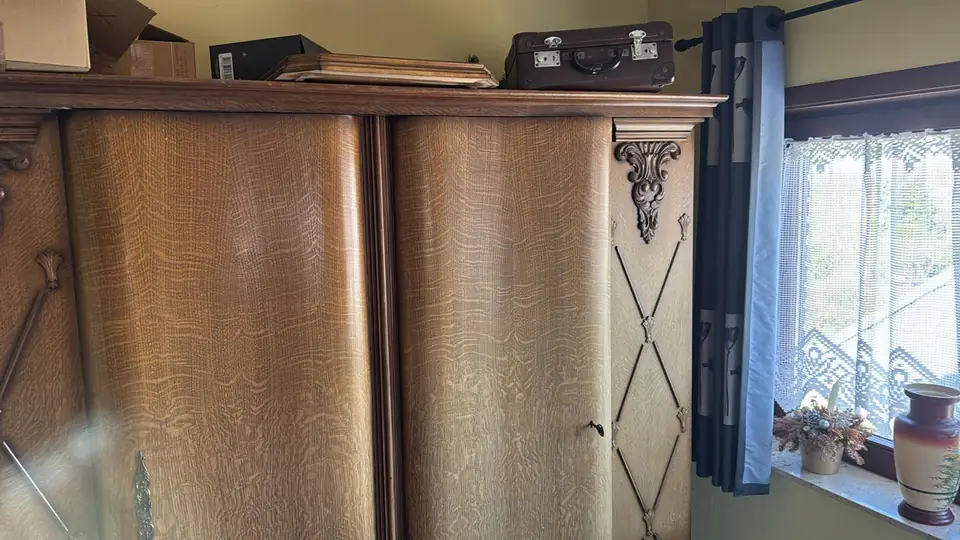
Sparkling Services clears and cleans severely cluttered or unsanitary homes in Brussels, Flanders and Wallonia, including situations linked to Diogenes syndrome. We work discreetly and without judgement, in protective equipment, alongside family, the local social welfare centre (CPAS/OCMW) or the landlord. Papers and keepsakes are set aside and the property is disinfected. The site visit is free usually within 48 hours, with a fixed quote.
What counts as a hoarded or unsanitary home?
A home becomes a hoarding or squalor situation when belongings and waste have built up to the point, often alongside long-term neglect, that living there is difficult or even dangerous. The term Diogenes syndrome is often used for these situations in Belgium, but every home and every story is different.
Situations can vary widely:
- rooms filled to the ceiling with newspapers, bags, clothes or collected objects;
- household rubbish that has accumulated over months or years;
- a kitchen and bathroom that can no longer be used;
- pets and their mess, insects, vermin or mould;
- a home only discovered after a hospital stay, a move into a care home or a death.
Behind every property is a person, a history and often a great deal of distress. We do not judge and we do not diagnose: our job is to make the home safe and liveable again, or ready to hand back, while showing respect to the person living there and to their family.
Sparkling Services is not a care provider. If the person still lives in the property, ongoing support from their GP or social services remains essential so the situation does not simply return.
Our approach: discreet, respectful, non-judgemental
Our crew's first rule is simple: no comments, no photos shared and no conversations with the neighbours. Families in this situation may feel embarrassed or exhausted. What they need is someone calm and effective.
Before the clearance
We take time to listen: who lives there, what the person is willing to accept, and what absolutely must be found (ID documents, bank papers, photos, jewellery, items of sentimental value). If the person lives in the home and is able to make decisions, nothing happens without their consent. Where a justice of the peace has appointed a legal administrator, we take decisions with that administrator.
During the clearance
- timing chosen to keep comings and goings low-key;
- sealed bags and quick loading;
- sorting room by room, at a pace the situation allows;
- the person or a relative can be present and keep particular items.
We know a clearance that feels too abrupt can be deeply upsetting. Wherever possible, we work in stages, starting with what matters most: clear walkways, then the kitchen, bathroom and bedroom.
Working with family, social services and landlords
A hoarder house clearance rarely succeeds without coordination: Sparkling Services works with the family, the social worker from the CPAS/OCMW, the legal administrator, the landlord or the social housing company, depending on the situation. Everyone has a role, and we follow their instructions.
Who is usually involved
- Family: usually the ones who call, they help identify important items and make decisions with the person.
- The CPAS/OCMW and social services: Belgium's local public social welfare centres support the person, can coordinate the work and, depending on the case, look at what help might be available. Ask the centre in the relevant municipality.
- The legal administrator: appointed by the justice of the peace, they approve the quote and decisions about belongings.
- The landlord or social housing company: they want a healthy property back or to avoid legal proceedings.
- The municipality: a home can be declared unfit or uninhabitable, and clearing it is often the first step required.
One important point: a landlord cannot clear an occupied home themselves. It takes the occupant's agreement or, failing that, a court decision. We always act on instructions from someone entitled to give them.
We can send the quote directly to the organisation or administrator covering the cost, and keep everyone following the case up to date.
Crew safety and protecting the property
Unsanitary homes carry real risks: dust, mould, animal or human waste, sharp objects and sometimes needles. That is why our crew always works in suitable protective equipment.
- cut- and puncture-resistant gloves;
- FFP-rated respirator masks for dust and odours;
- disposable coveralls and safety footwear;
- dedicated sharps containers.
Before starting, we assess hazards: weakened floors, damaged wiring, leaks, gas or chemicals. If a risk goes beyond our trade, such as suspected asbestos or a dangerous electrical installation, we flag it and ask for the right specialist to be brought in.
Pests and animals
Where there are insects, rodents or bedbugs, treatment by a pest control company is often needed, before or after our visit. We do not carry out pest control ourselves, but we schedule our work to fit around it. If animals are still living in the home, arrangements for them must be made before we start.
Please tell us if you know there may be needles, ammunition or hazardous products on site, so we can bring the right equipment and use the proper disposal routes.
How a hoarder house clearance works
The job follows five stages: visit, quote, clearance and sorting, cleaning and disinfection, and handover. Depending on volume and condition, it can take from one day to several days.
1. Discreet visit
We usually visit within 48 hours, together with a relative, the social worker or the landlord. If access is difficult, a few photos are enough for a first estimate.
2. Fixed quote and approval
The quote sets out the volume, protective measures, cleaning and disinfection. It goes to whoever is authorised to approve it: family, administrator or organisation.
3. Clearance and careful sorting
Everything is checked before it goes. Papers, cash, jewellery, photos and any items you ask for are set aside and handed to the designated person. What is still usable goes to the social economy; the rest goes to suitable processors.
4. Cleaning and disinfection
Once the home is empty, we clean and disinfect surfaces, especially the kitchen, bathroom and floors, and treat odours.
5. Handover
The property is returned empty, or set up again with the items that were kept, ready for the person to return, for handback or for renovation.
Cleaning and disinfection after the clearance
Emptying the home is not enough: after clearing an unsanitary property, deep cleaning and disinfection of surfaces are needed to make it usable again. For the person or the landlord, this is often the step that makes the biggest difference.
Our cleaning covers:
- washing floors, washable walls, doors and skirting boards;
- fully degreasing the kitchen and any appliances being kept;
- cleaning and disinfecting the bathroom and toilet;
- disinfecting contact points such as handles, switches and worktops;
- odour treatment suited to the situation.
We are honest about the limits: heavily soaked materials such as fitted carpets, mattresses or damaged plasterboard cannot be saved and need to be removed or replaced. We say so in the quote, so the family or landlord can plan any building work.
Where significant bodily fluids are present, for example after a death that went unnoticed for some time, a company specialising in post-death cleaning must step in. We will tell you clearly and can coordinate the clearance with them.
How much does a hoarder house clearance cost?
Clearing a hoarded or unsanitary home costs more than a standard clearance, because it involves more sorting, protective equipment and disinfection. The basis is still volume, plus those specific items. The quote is fixed and itemised.
What affects the price:
- the volume and how high the rooms are filled;
- how unsanitary it is: organic waste, animal or human waste, mould;
- sorting time to find papers and valuables;
- floor level, lift access and distance to the lorry;
- the extent of cleaning and disinfection;
- removal of soaked materials such as carpets and mattresses.
Any value of reusable items is deducted from the price. The site visit is free, the quote is free and there is no obligation; a first estimate from photos is also possible. The quote can be addressed to the family, the legal administrator, the landlord or the organisation supporting the person. If you are looking into financial help, the social worker at the CPAS/OCMW is the best person to tell you what is possible in your case.
Why choose Sparkling Services?
Because a hoarding situation calls for both efficiency and humanity, and because one company can take care of the clearance, sorting, cleaning and disinfection.
- Complete discretion: no comments, no shared photos, no talking to the neighbours.
- Respect for the person: their consent where they can give it, important belongings kept safe.
- Safety: a protected crew and risks assessed before we start.
- Coordination with family, social services, administrators and landlords.
- Reuse and recycling: the value of usable items is deducted from the price or they are donated, the rest goes to suitable processors.
- Brussels, Flanders and Wallonia, in English, French and Dutch.
You are welcome to call us just to talk it through, with no obligation. We will explain how we can help and what the possible next steps are.