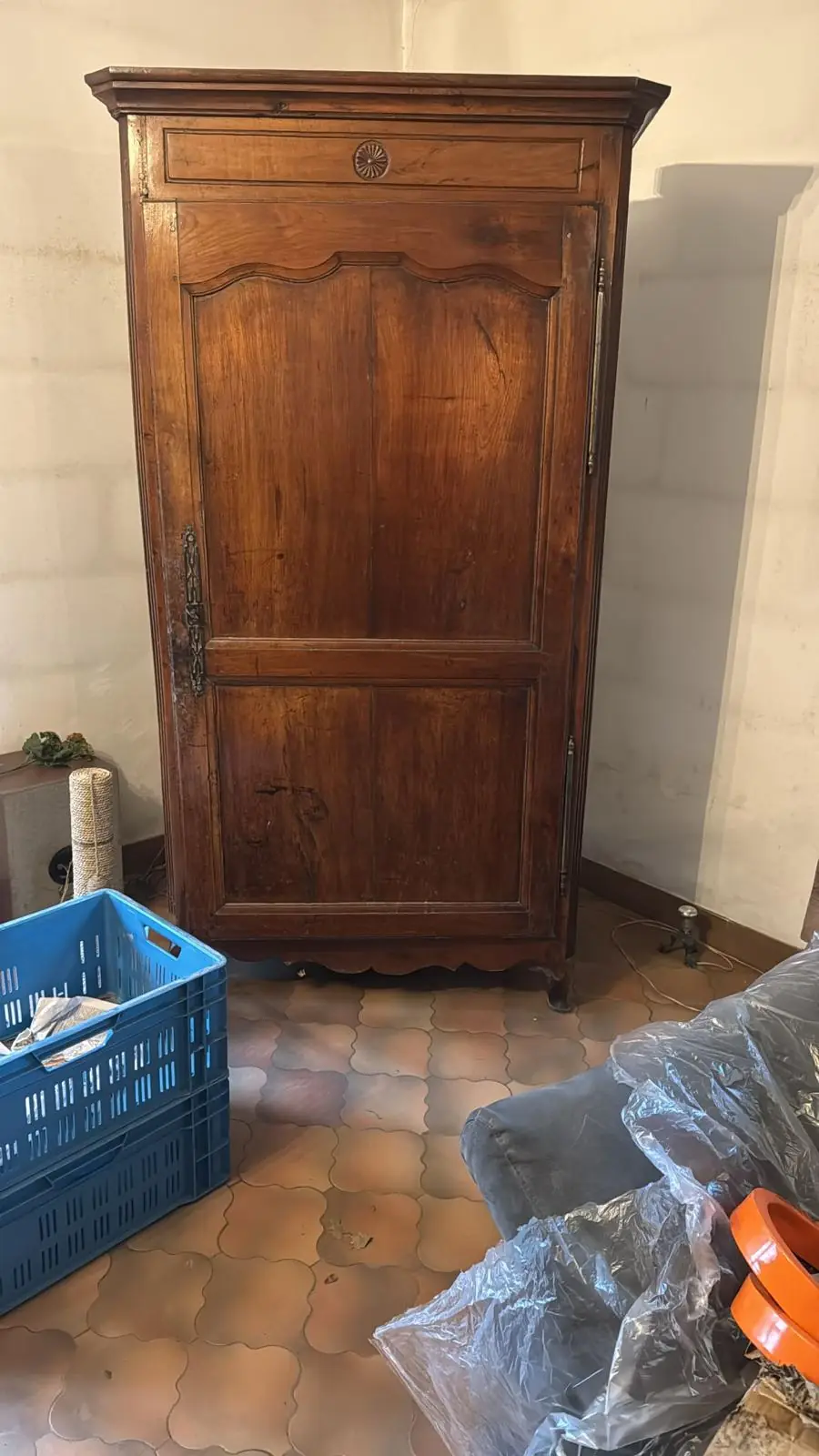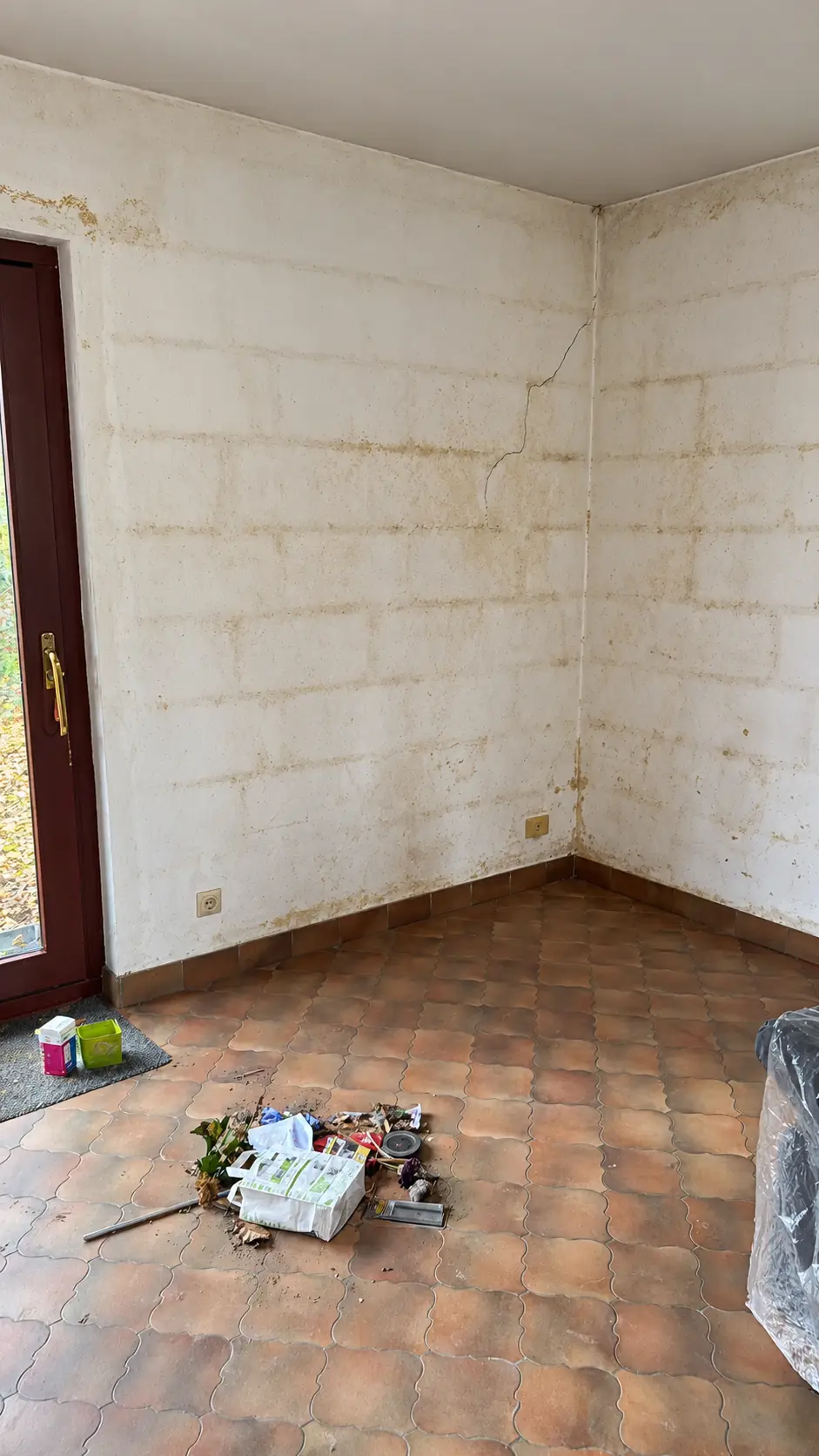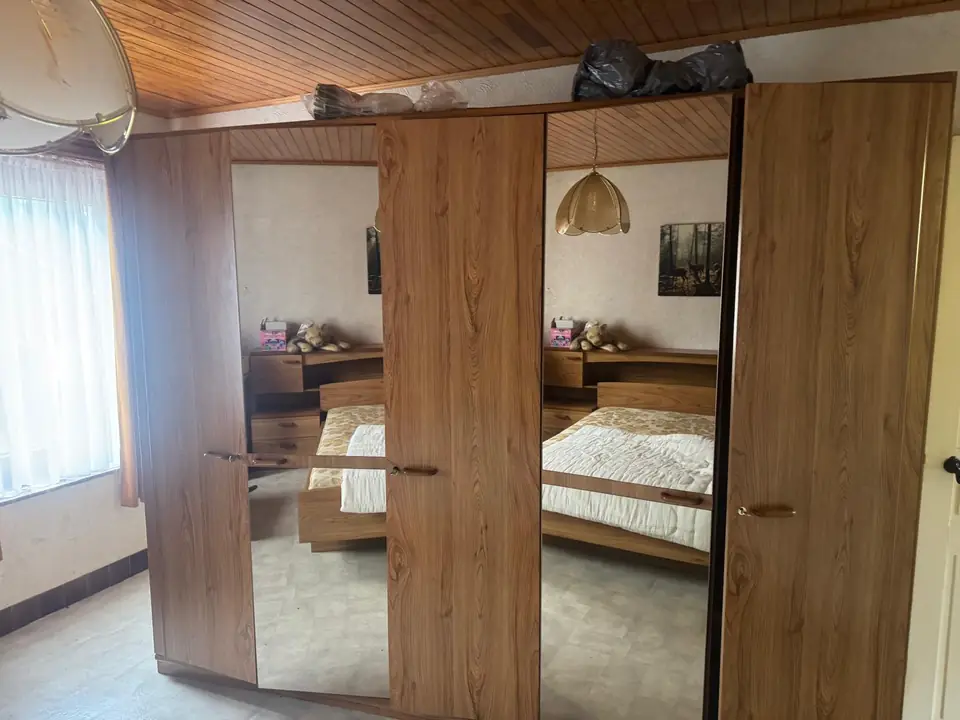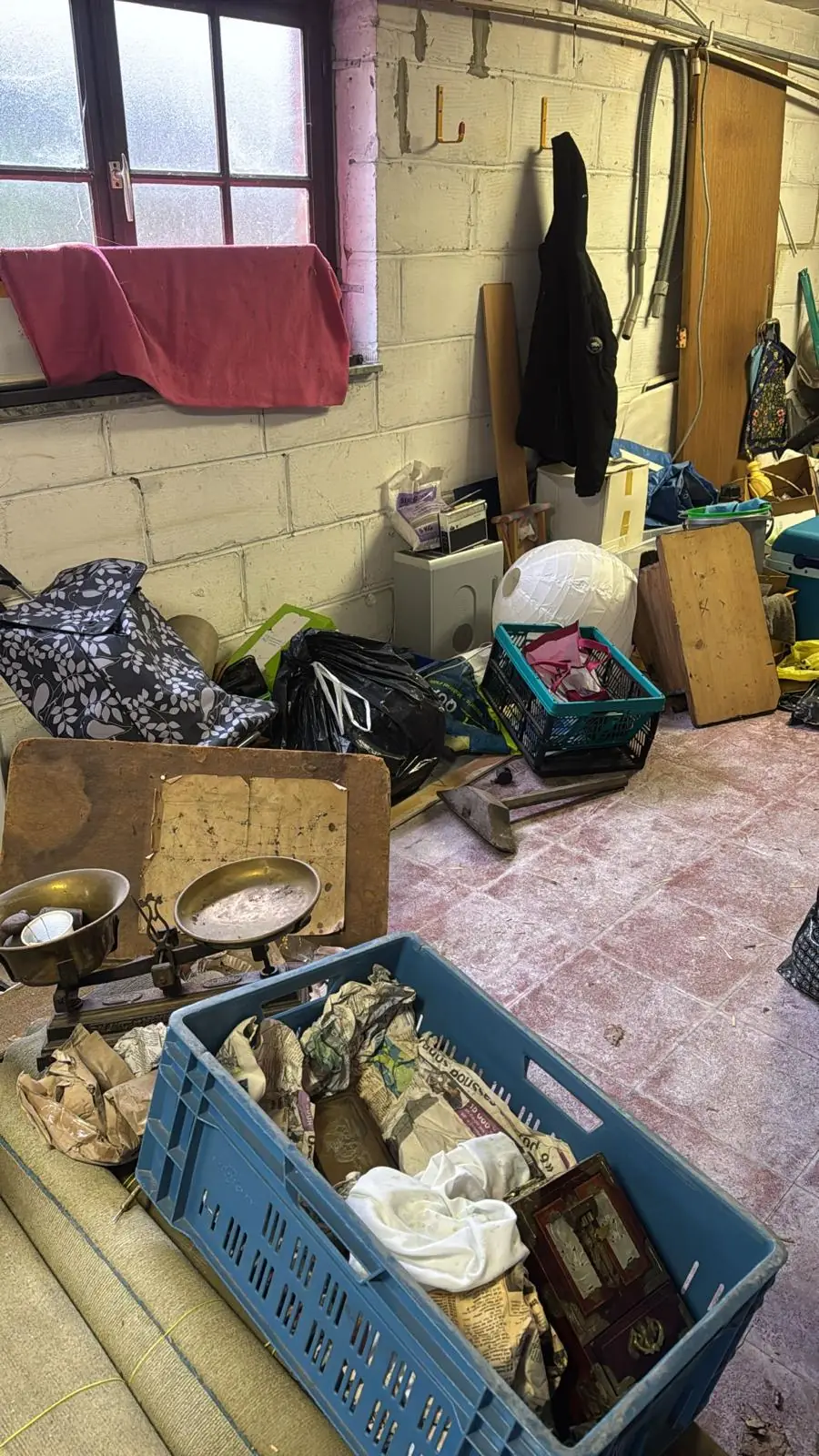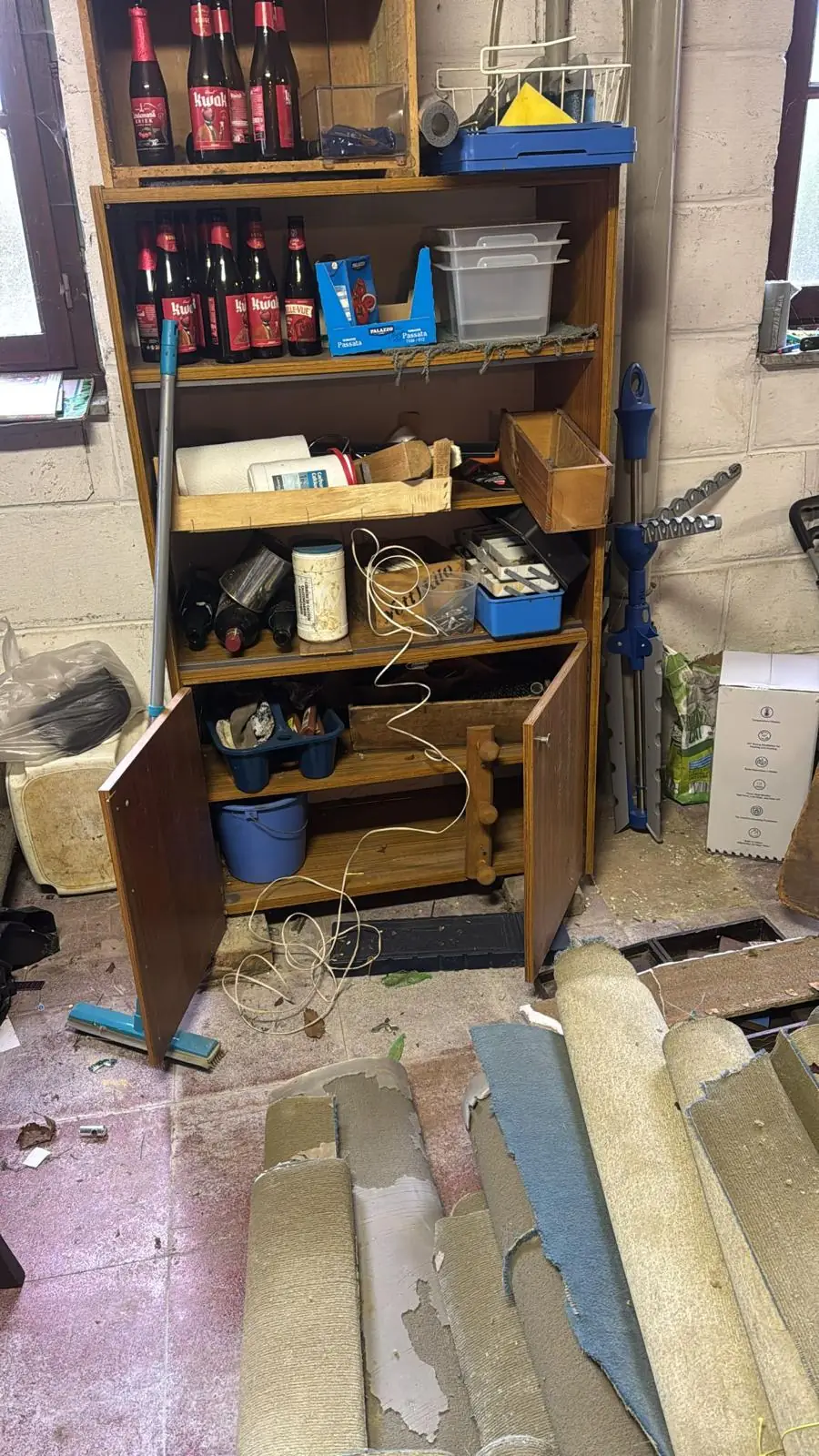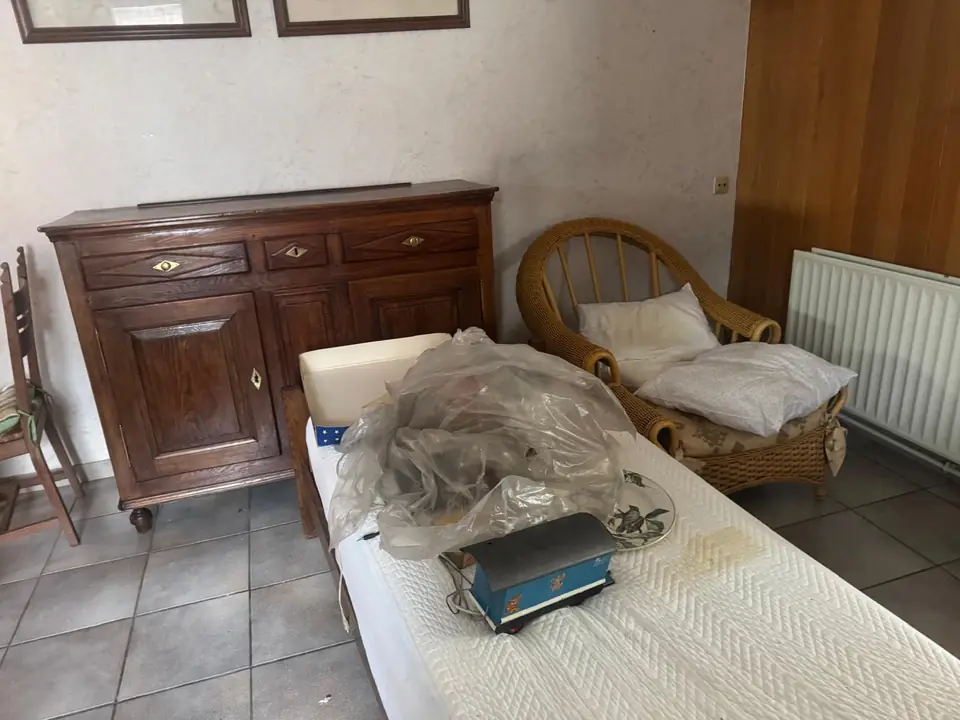
After a death, Sparkling Services clears the house or apartment of the person who has passed away, discreetly, in Brussels, Flanders and Wallonia. We set aside papers, photographs and keepsakes, respect each heir's choices, donate what can be reused and provide an itemised invoice for the notary. The visit is free usually within 48 hours, the price is fixed, and we can work without you being present.
Clearing a loved one's home is not an ordinary clearance
An estate clearance needs more than a van and a strong crew: it takes time to sort, respect for memories and real care not to throw away anything important. That is how we approach every estate.
Emptying a parent's home is often one of the hardest parts of grieving. Families have to make quick decisions, sometimes from another country, about belongings full of history. Our role is to take on all the physical work while leaving the decisions that matter with you.
What our estate clearance includes
- Careful sorting, room by room and drawer by drawer, including the cellar, loft and garage.
- Systematically setting aside documents, photographs, letters, jewellery, keys and personal items.
- Respect for the heirs' arrangements: furniture and objects reserved by each person are labelled and grouped.
- Donation of reusable belongings to charities, with everything else recycled through suitable channels (recycling parks, sorting centres).
- Final sweep and return of the keys to the notary, estate agent, landlord or a family member.
- Itemised invoice including VAT, addressed to the estate or to whichever heir you choose.
Before clearing: the notary, the heirs and a few precautions
Before any clearance, make sure all the heirs agree and that the notary has no objection. In Belgium the notary plays a central role in settling an estate, and clearing a home too early can cause family friction or legal complications; waiting too long, on the other hand, costs rent, energy and insurance.
Points to check
- Agreement of all heirs. Until the estate is divided, the contents of the house belong to all the heirs jointly. A simple written agreement, even an email, on the date of the clearance and who keeps what avoids misunderstandings.
- The notary's go-ahead. If the estate is accepted under benefit of inventory, an inventory may be required before anything leaves the house. Wait until the notary confirms you can proceed.
- Accepting or renouncing. Until the heirs have decided, taking or selling the deceased's belongings may be treated as acceptance of the estate, debts included. If you are worried about debts, speak to the notary before any clearance.
- The inheritance tax return. For a death in Belgium, it must be filed within four months. It does not depend on the clearance, but the two timelines often run in parallel.
- Home insurance and meters. Keep the buildings and contents insurance in place until the property is sold or handed back, and record the meter readings on clearance day.
We do not give legal advice, but we are happy to fit our schedule around the notary and the family.
Rented homes: deadlines, rent and returning the keys
If the person who died was renting, the home has to be emptied and returned to the landlord, and rent remains payable until the lease has ended. For many families, this is the most urgent situation.
The rules differ between Belgium's regions and types of lease: in some cases the lease ends automatically a certain time after the death, in others the heirs must give notice. Contact the landlord or letting agency quickly to confirm the end date and arrange the check-out inspection. For social housing, ask the housing company straight away, as the deadline can be short.
How we help
- We schedule the clearance around the date the keys are due back.
- The home is left empty and swept; a full clean is available before the inspection.
- If you cannot attend, we hand the keys directly to the landlord or the inspector.
- You receive photos of every empty room, useful if the rental deposit is ever disputed.
Returning the keys on time often saves a further month's rent, which can cost more than the clearance itself.
Papers, photographs and keepsakes: what we set aside
While sorting, anything that looks like an important document, cash, jewellery or a family keepsake is set aside and returned to you. None of it is thrown away without your agreement.
Documents worth keeping
- Will, notarial deeds, title deeds and leases.
- Bank statements, bank cards, life insurance and funeral plan policies.
- Tax assessments, tax returns and letters from public authorities.
- Pension, health insurance fund (mutualité / ziekenfonds), energy bills and subscriptions to cancel.
- Identity card, savings books, diplomas and military papers.
Keepsakes
Photo albums, slides, home films, letters, diaries, medals, childhood treasures and handmade objects have little market value but are often the most precious things in the house. We gather them in labelled boxes so the family can go through them later, calmly.
If you wish, we can also group the items chosen by each heir in separate areas, labelled with their name, so everyone leaves with what is theirs. Boxes can be posted to heirs abroad.
How an estate clearance works
An estate clearance follows five steps, at the family's pace: first conversation, visit, quote, sorting day and handover. For a house, the work on site usually takes 1 to 3 days.
- First conversation. You explain the situation: who the heirs are, who has the keys, what the deadline is, and whether the notary needs to act first.
- Visit or photos. We usually visit within 48 hours or work from photos or a video call. The visit is free and only one heir needs to attend.
- Fixed quote. One total price including VAT, addressed to the person or estate of your choice, with all options listed.
- Sorting and clearance. Reserved items and documents set aside, then donation, recycling and removal.
- Handover. Home swept, photos sent to every heir who wants them, keys returned to the person you nominate.
Belongings that go on helping others
At Sparkling Services, the furniture, crockery, linen and useful belongings of the person who has died are put to good use or donated to charities and social-economy organisations, and the rest is recycled. Knowing these things will help someone else can bring some comfort.
Depending on the region and current needs, donations are offered to organisations (for example Les Petits Riens, Oxfam, Terre or, in Flanders, De Kringwinkel), depending on what they accept. Good-quality clothes, books and solid furniture readily find a second life there.
The value of reusable or resaleable items is deducted from the price, transparently and without haggling: it can make the clearance free, and if it exceeds the cost of the clearance, we pay the difference to the heirs or the estate. If an heir wants to sell a valuable piece, they can do so before the clearance, and we take care of everything else afterwards.
What does an estate clearance cost, and who pays?
An estate clearance is priced in the same way as a house clearance: we do not publish rates, and there are three options depending on the value of the goods: free clearance, we pay you the difference, or a fixed price on quotation based on volume, access, sorting and timing. The extra sorting time needed to search for documents is included in the fixed, free and no-obligation quote.
Who pays for the clearance?
Where there is a cost, in principle the heirs pay, in proportion to their share, or the estate pays when the notary manages its accounts. Often one heir advances the cost and is reimbursed when the estate is divided. We can address the invoice to the heir who pays or to the estate, as you prefer.
Can the costs be deducted from inheritance tax?
You may read that clearance costs are deductible from Belgian inheritance tax. This is not a general rule, so ask your notary about your situation. In every case we provide an itemised invoice with our company and VAT numbers, which is useful when the costs are shared between heirs.
Remote house clearance: how we work without you on site
A house clearance after a death can be organised entirely from a distance: estimate, quote, access, sorting and key handover are arranged by phone, email or video, in English, French or Dutch. You do not have to travel to Belgium for the clearance itself; a trip is still possible if you want to sort certain keepsakes yourself.
The steps of a remote clearance
- Estimate: a video walk-through with someone on site, or photos and videos of every room, cellar and loft included.
- Written instructions: you send us the list of items to keep, to post or to hand to a relative, ideally approved by all the heirs.
- Fixed quote: sent by email, in the name of the person or the estate paying.
- Access: keys collected from the notary, a neighbour, an agency or a key safe; the collection and return dates are confirmed in writing.
- Clearance and report: sorting, papers and keepsakes set aside, donations, removal, then photos of every empty room and the keys returned.
The items you keep are gathered in labelled boxes, then handed to the person of your choice in Belgium or prepared for posting as a parcel, as set out in the quote.
Heirs living abroad, and why families choose Sparkling Services
When the heirs live far away, elsewhere in Belgium, in the UK or anywhere else, we can carry out the entire clearance without them and keep everyone informed at each stage.
- Video call visit with an heir, a neighbour or the estate agent.
- Keys collected from the notary, a relative or a key safe.
- Keepsakes and documents posted to you or handed to whoever you nominate.
- Before and after photos shared with all the heirs.
What we commit to for families
- A calm, discreet crew that respects the home and the neighbours.
- The value of reusable items deducted transparently, with no haggling over your loved one's belongings.
- One point of contact, reachable on +32 485 39 99 41 or through the contact form.
- Service in English, French and Dutch, so we can liaise with Belgian notaries and landlords on your behalf.