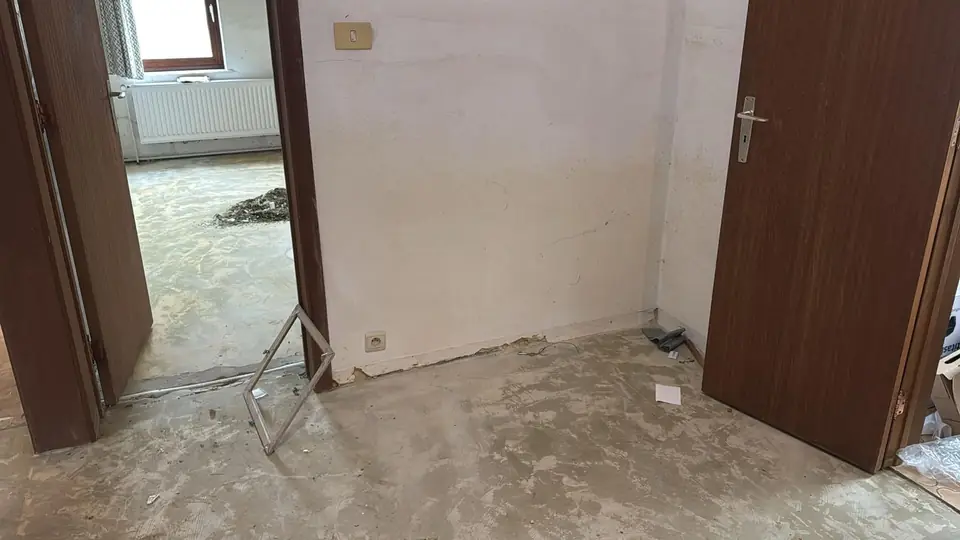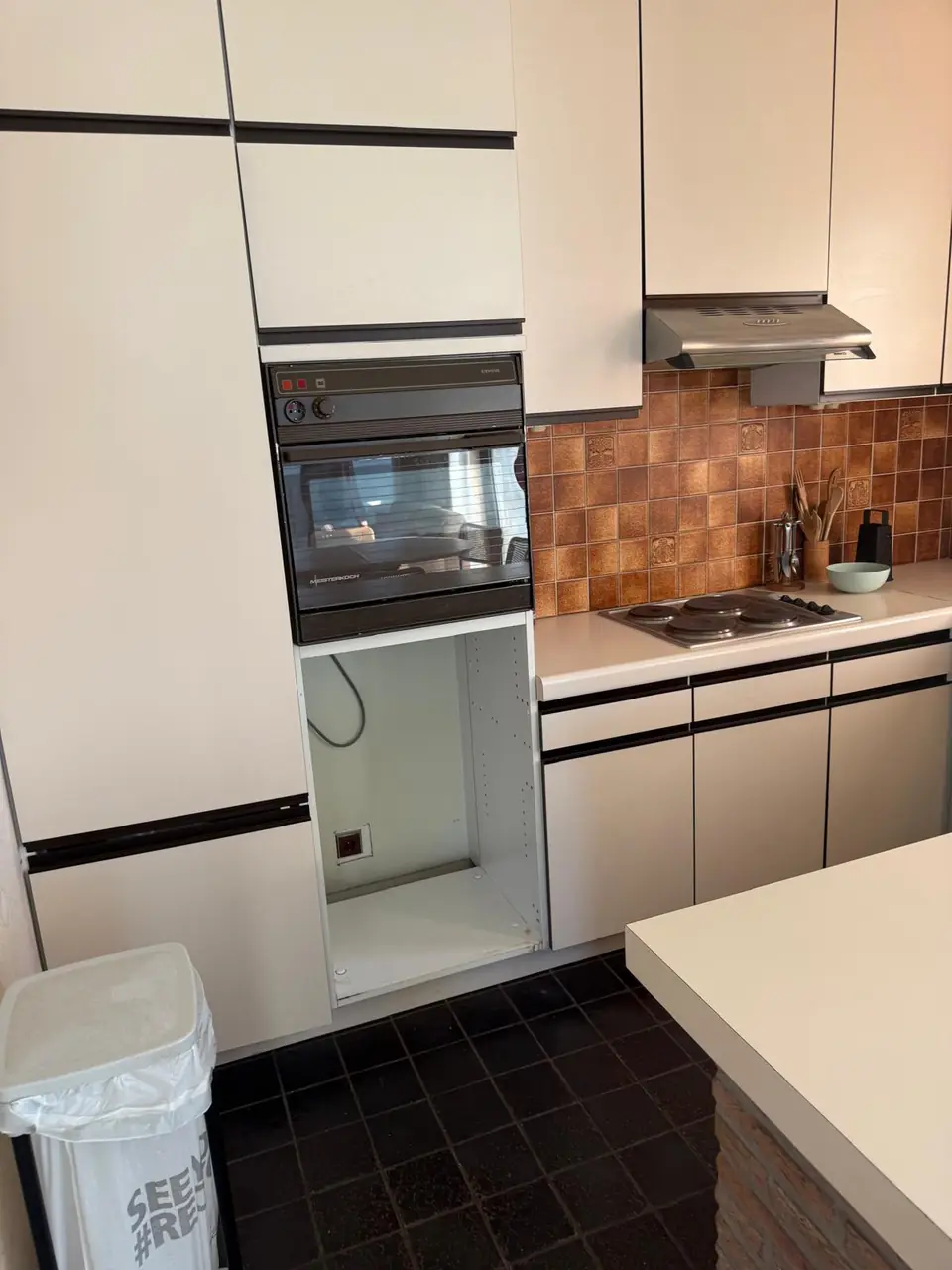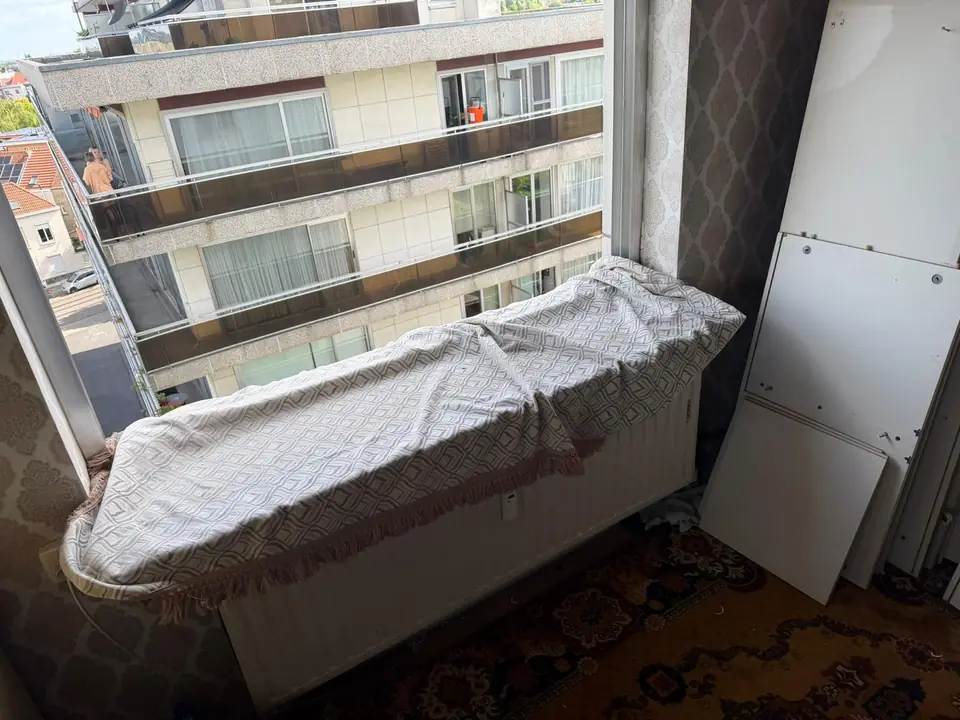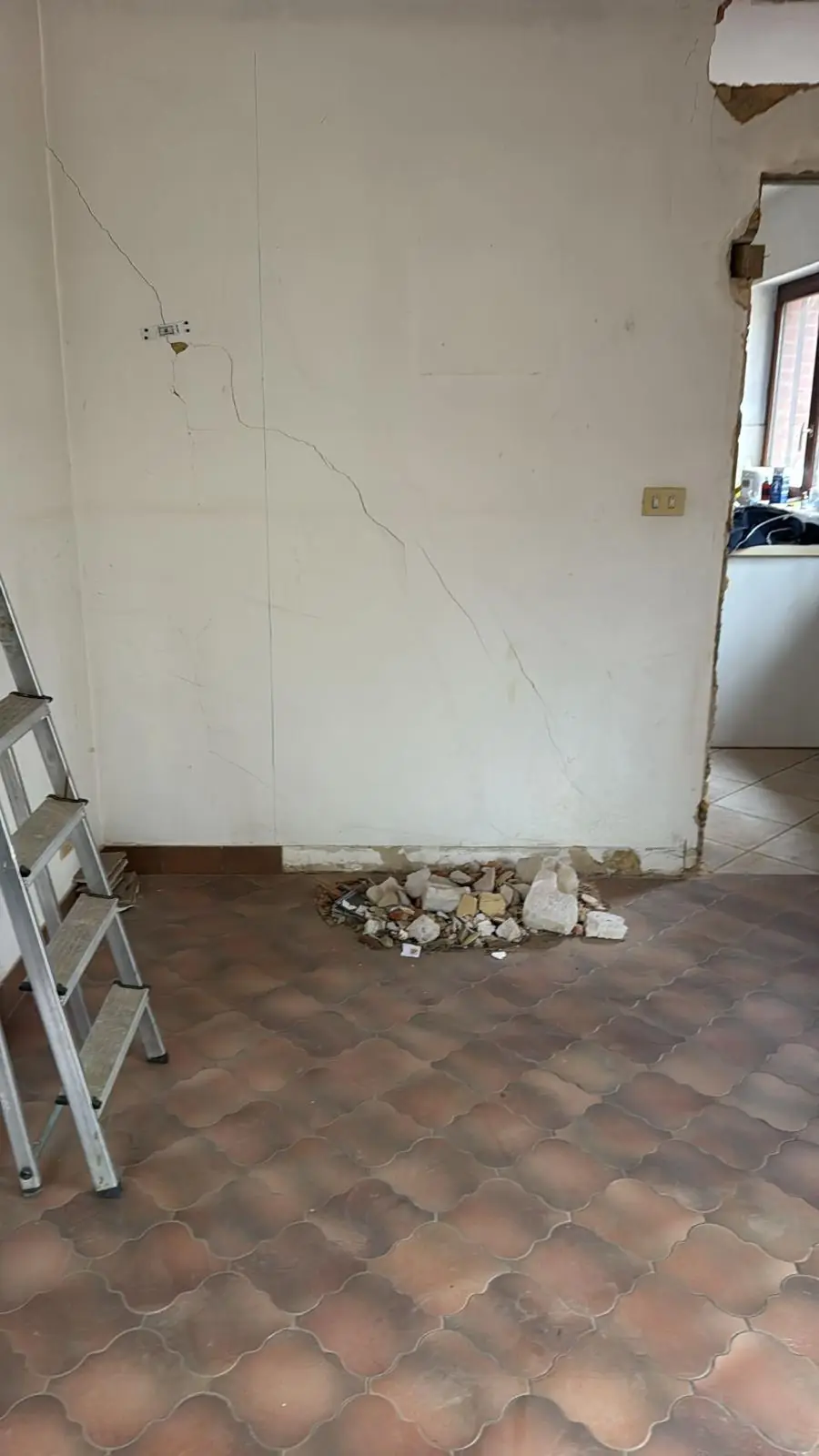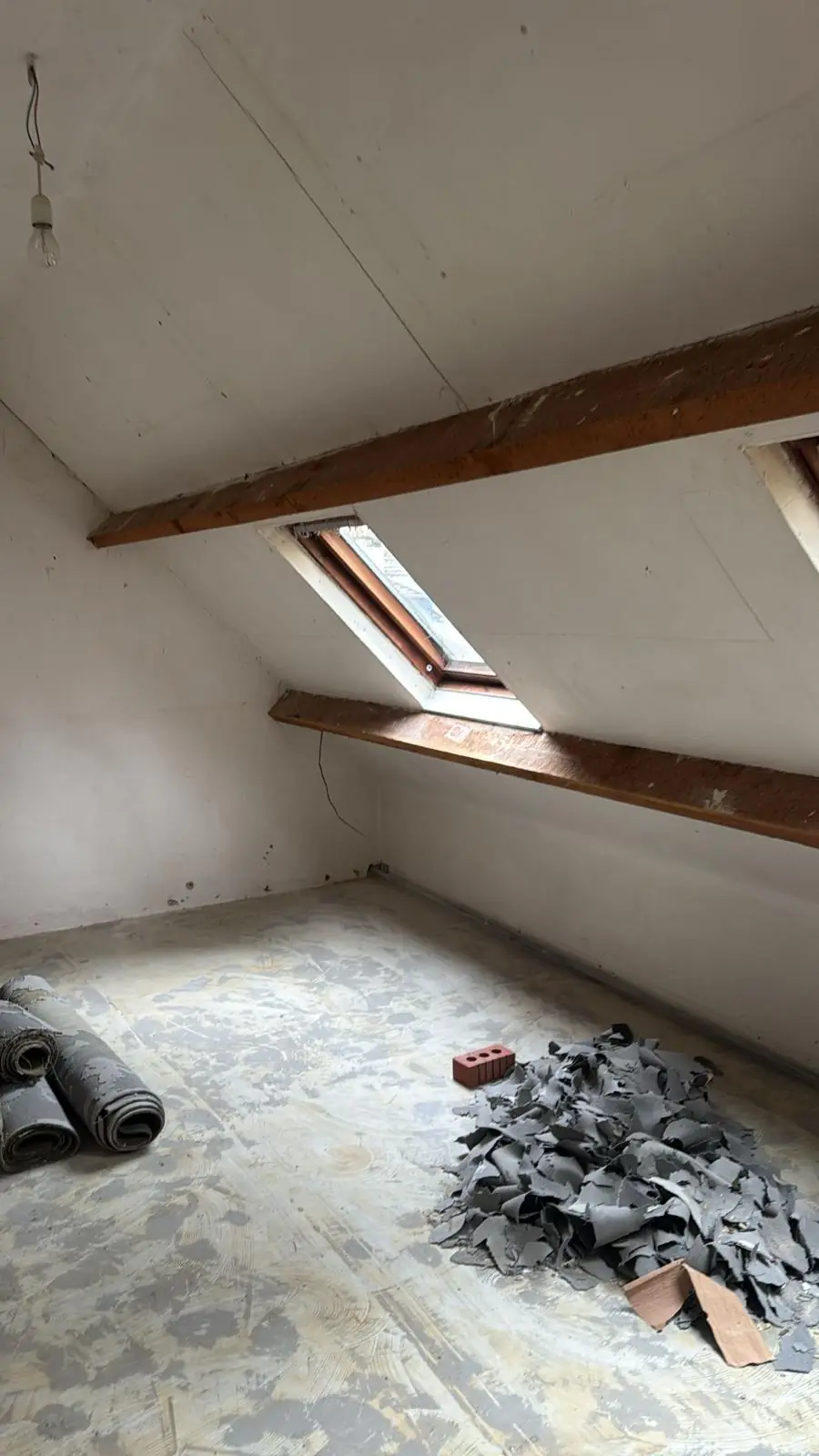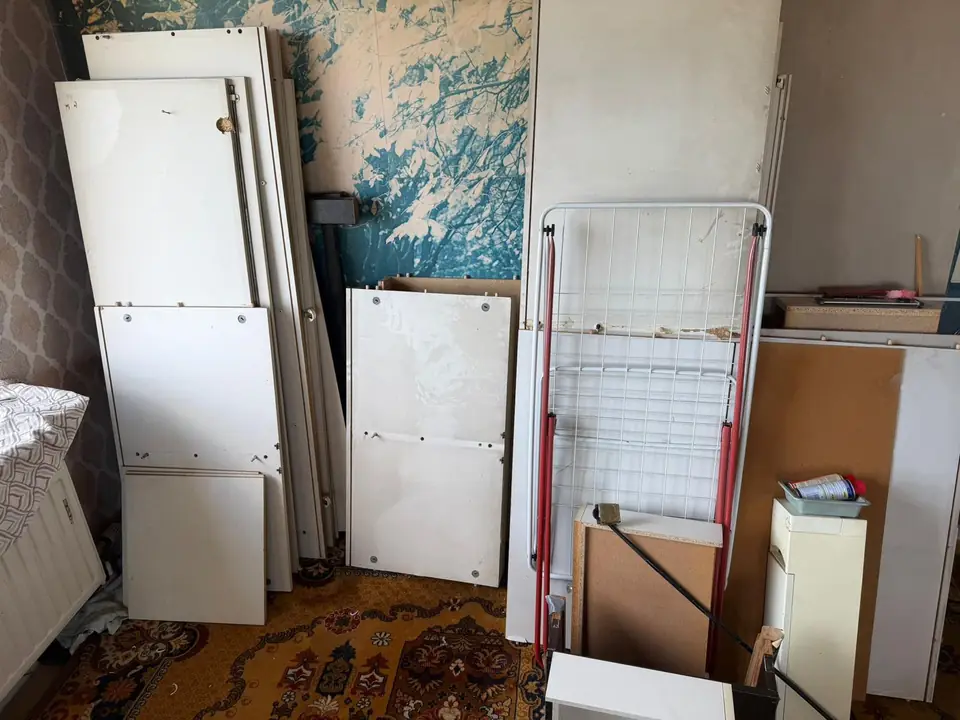
For a shop clearance or any commercial premises, Sparkling Services dismantles the fittings, empties the stockroom and unsold stock, and hands back a bare, swept unit ready for the key handover, in Brussels, Flanders and Wallonia. Clothing store, restaurant, snack bar, hair salon or practice with a waiting room: we plan loading around the rules of your street, including pedestrian zones and outside opening hours. The site visit is free and usually within 48 hours, the written quote is free, and there are three options depending on the value of your equipment: free clearance, we pay you the difference, or a fixed price on quotation.
Shop clearance: what we dismantle and remove
A shop clearance means handing back a completely empty retail unit: sales furniture, stockroom, leftover stock, technical equipment and removable fittings, down to a swept floor ready for the check-out inspection. Unlike an office, a shop combines heavy items fixed to walls or floors with hundreds of small articles that each need sorting.
Among other things, we take care of:
- sales furniture: wall shelving, gondolas, display stands, presentation tables, clothes rails, bins and baskets;
- the checkout counter, display cabinets, removable fitting rooms and large mirrors;
- mannequins, busts, display heads and window decorations;
- the stockroom: metal shelving, boxes, packaging, hangers, price labellers, step ladders;
- electrical equipment: window lighting, screens, tills, scales and small appliances;
- dining-room and terrace furniture from cafés and restaurants;
- simple signs, when taking them down involves no electrical work.
What we do not do: demolition (masonry walls, tiling, fixed suspended ceilings), disconnecting gas, water or electrical installations, and asbestos removal, which is reserved for specialist firms. During the visit, we tell you exactly what an electrician, plumber or refrigeration technician needs to prepare before we arrive.
Boutiques, restaurants, salons: which businesses do we clear?
Sparkling Services clears every kind of commercial premises open to the public, from a small neighbourhood shop to a fully equipped restaurant, salon or practice with a reception area. Each trade has its own equipment, and the site visit is there to spot it.
- Retail: clothing store, bookshop, toy shop, grocery or homeware store, with lots of small furniture and often stock left to clear.
- Restaurant, café, snack bar, bakery: tables, chairs, banquettes, bar, stainless-steel worktops, refrigerated displays and crockery by the crate.
- Hair salon, beauty institute, nail bar: styling chairs, backwash units, workstations with mirrors and opened products to set aside.
- Practice with a waiting room (physiotherapist, optician, small agency): reception furniture, display stands, front desk.
- Showroom and specialist store: display models, heavy racking, demonstration equipment.
For offices that do not receive the public, our Office clearance page is a better fit; for a goods depot or storage shed, see our warehouse clearance service. When the business has a flat upstairs, which is common in Belgian shop-houses, we clear both in a single job, with one quote and one schedule.
End of a commercial lease, closure or bankruptcy: who decides?
A commercial clearance almost always runs to a date set by someone else: the landlord expecting the keys, the incoming tenant who wants to start work, or the trustee handling a bankruptcy. Knowing who has the final say over the contents avoids mistakes that are hard to undo.
Lease ending or business relocating
You, as the operator, decide what goes, what moves to a new outlet and what may be left for the incoming tenant. Reread your lease and the check-in inventory: they often state what must be removed (added fittings, signage, light partitions) and the condition in which the unit must be returned. If in doubt, ask the landlord in writing before the clearance.
Closing down
When a business closes voluntarily, there is little time between the closing-down sale, the last trading day and the key handover. We can start the day after closing, or work in several visits if part of the goods is still on sale.
Bankruptcy
In a bankruptcy, the court-appointed trustee (curateur / curator) decides what is sold, kept or removed: neither the former manager nor we can dispose of the stock or furniture freely. We work on the trustee's instructions, record what leaves the premises and address the quote and invoice to them. For any legal question, contact the trustee or your adviser: we do not give legal advice.
Unsold stock and shop fittings: resale, donation or recycling
In a shop, much of the contents can still be used: we look for a second life for stock and fittings first, and only then turn to recycling. This sorting also shapes the price, because the value of reusable items is deducted from the quote.
- Reusable fittings: modular shelving, gondolas, clothes rails, display cabinets and counters in good condition often interest other retailers and the second-hand market.
- Catering equipment: stainless-steel units, dining tables and chairs, and working small appliances have genuine resale value.
- Non-perishable stock: clothing, books, homeware or new toys can be resold or donated to social-economy organisations (for example Les Petits Riens, Oxfam or De Kringwinkel), depending on what they accept.
- Food: it follows a different route; ideally the operator sells it off or offers it to a food-aid organisation before closing.
- Everything else: metal, wood, glass, cardboard, plastics and electrical equipment are sorted and handed to suitable recycling channels (sorting centres, licensed collectors).
A word of caution: branded goods under a distribution agreement, recalled products and faulty goods cannot always be resold. Mention them during the visit; we will tell you what still has value and what simply goes for recycling.
Refrigeration, WEEE, gas, signage: equipment that needs preparing
Some shop equipment cannot be removed like a cupboard: it must first be disconnected by a professional, or follow a specific processing route. Spotting it during the visit keeps clearance day from grinding to a halt.
Refrigerated counters, fridges and cold rooms
Refrigerated displays, freezers and back-bar coolers contain refrigerant. We transport them whole, without ever opening the circuit, to suitable processing channels. A modular cold room is dismantled panel by panel; if its condensing unit is installed remotely, a refrigeration technician must take the circuit out of service first.
Electrical and electronic equipment (WEEE)
Tills, screens, lighting, scales and small appliances follow the WEEE route, organised in Belgium partly through Recupel. Wipe the data from tills and computers, and return rented or loaned equipment to its owner: card terminal, coffee machine, brewery-supplied fridge.
Gas, water and electricity
Gas ranges, fryers and ovens are disconnected by a gas fitter, backwash units and dishwashers by a plumber, and hard-wired appliances by an electrician. We then remove the freed-up equipment.
Signage and special products
We take down a simple, reachable sign that is not wired in; for an illuminated sign with a power supply or one fixed high up, the electrician comes first. Used frying oil, hair colourants, cleaning products, solvents and aerosols are set aside for a dedicated collection.
Signage, window graphics and commercial packaging (Valipac)
Three things are often forgotten when a shop is cleared, even though each follows its own logic.
The sign
A simple, accessible sign that is not wired in can be taken down during the clearance; an illuminated sign is first disconnected by an electrician. Then have the fixing holes filled if the lease requires it. Light boxes, cut-out letters and neon tubes follow different routes depending on their material: metal, WEEE or recycling.
Window graphics
Adhesive lettering, opening hours, logos and frosted film do not come off with a cloth: they are removed with heat and a scraper, and then the adhesive is dissolved. Tell us at the site visit if you want this included; we will say whether it is feasible given the area and the type of glazing, or whether the original installer is better placed.
Commercial packaging
Delivery boxes, stretch film, pallets, crates and empty drums are not household waste. In Belgium, industrial and commercial packaging falls under a separate regime from household packaging, with a take-back obligation organised notably through Valipac, the approved body for this type of packaging. In practice it follows its own collection and recycling routes, and municipal recycling parks often restrict access for businesses. We sort cardboard, film and pallet wood separately; reusable pallets go back into circulation where possible. If your business already has a waste collection contract, let us know: whatever falls under it can go there.
How much does a shop or restaurant clearance cost?
We do not publish rates: depending on the value of reusable fittings, equipment and stock, clearing your business is free, we pay you the difference, or you pay a fixed price on quotation. In retail and hospitality this often works in your favour, because part of the equipment can be resold.
- Free clearance: the value of reusable items (stainless steel, display cabinets, modular shelving, saleable stock) covers dismantling, transport and sorting.
- We pay you the difference: a well-equipped restaurant or a recently fitted shop can hold more value than the work costs; we pay you the gap.
- Fixed price on quotation: bespoke fittings, glued or bolted furniture, unsaleable stock or a lot of waste; the price is set in advance and does not change unless unexpected contents turn up.
The quote reflects the volume, dismantling time, access (shopfront, back door, stockroom in the basement or upstairs), the hours imposed by the street and the share of special waste. The site visit is free and the quote costs nothing; you can also send photos by WhatsApp or through the form. The invoice is made out to your company, with its company number and VAT shown separately; in a bankruptcy, it is addressed to the trustee.
Shopping streets, pedestrian zones, deliveries: planning access
On a shopping street, the real challenge of a shop clearance is often loading without getting in the way of neighbours, customers and deliveries. We plan this from the site visit onwards.
- Pedestrian zone: vehicle access is usually limited to delivery windows; we load within those slots or request the necessary permission from the municipality.
- Parking: where street space must be reserved, we apply to the municipality for a temporary parking ban or a public-road occupation permit several days ahead.
- Loading bay: an existing loading zone cannot always be reserved; we avoid occupying it when neighbouring shops receive their deliveries.
- Rear access: a service door, courtyard or carriage entrance makes everything easier; otherwise we go out through the front, protecting the threshold, shopfront and pavement.
- Arcade or shopping centre: the manager's rules, loading dock, goods lift and set working hours apply.
So as not to spoil the image of neighbouring businesses that stay open, we are happy to work early in the morning, after closing time or on Sundays, by arrangement with you and the manager. The pavement is swept after every load.
Timing: from site visit to key handover
For a business, timing matters as much as price: we start from your key handover date and plan backwards.
- Visit or photos: usually within 48 hours; we note volumes, access, equipment to disconnect and what can be resold.
- Written quote: usually within 24 hours, with the chosen option and the expected duration of the job.
- Arrangements: parking application to the municipality, appointments with an electrician, plumber or refrigeration technician where needed.
- Clearance: a boutique is often cleared in a single day; an equipped restaurant or a large shop usually takes 1 to 3 days, depending on volume and road permits.
- Handover: empty and swept, photos sent if you are not there, keys returned to the landlord, letting agent or trustee.
If the date is very close, say so at first contact: phasing the work (stockroom first, shop floor second) often makes a short deadline achievable. An end-of-tenancy clean can follow straight away, so the check-out inspection holds no surprises.
Timing: the check-out inspection at the end of a commercial lease
For a business, the clearance is only one step before the appointment that really matters: the check-out inspection with the landlord or their representative. Planning backwards from that date avoids an extra month's rent or a deduction from the rental deposit.
Reread the lease before setting a date
- Reinstatement: the lease may require the premises to be returned as they were at the start, or on the contrary require certain fittings to stay (suspended ceiling, partitions, a fixed counter). Check what must go and what must stay before the quote.
- Check-in inspection report: find it, with its photos; it is the basis for comparison.
- Shopfront: sign, fixing holes, window graphics, awning.
A realistic schedule
- Full clearance a few days before the inspection, not the evening before.
- Minor repairs and end-of-lease cleaning in between.
- On the day: meter readings, dated photos of every room, and handover of all keys, badges, remotes and alarm codes against a receipt.
At the end of the clearance we send you photos of the empty unit: they complement your own if there is a disagreement. If an expert has been appointed for the inspection, give them our date so that diaries line up.
Checklist before your shop is cleared
Half a day of preparation on your side makes the clearance of your business quicker, and often cheaper. Here is what we recommend sorting out before we arrive:
- reread the commercial lease and check-in inventory: what must be removed, what may stay?
- confirm the key handover date with the landlord or letting agent;
- list what you are keeping (till, sign, furniture for another outlet) and label it;
- return equipment supplied by vendors: card terminal, coffee machine, branded displays;
- wipe data from tills, computers and cameras, and collect accounting records and customer files;
- have gas, water and hard-wired appliances disconnected;
- sell or donate food and perishable products;
- gather chemical products (cleaning, salon, paint) in one place;
- arrange for meter readings on the day of the key handover;
- send a few photos of the shop floor, stockroom and access for a first opinion.
With these points settled, clearance day comes down to dismantling, loading and sorting, and you get back a unit ready for the next tenant or the check-out inspection.